Sweden's Licensing Framework and Its Connection to Evolving Poker Bonus Models Plus App Features for Card Players
Skriven av Ines Koch · 2026-09-26
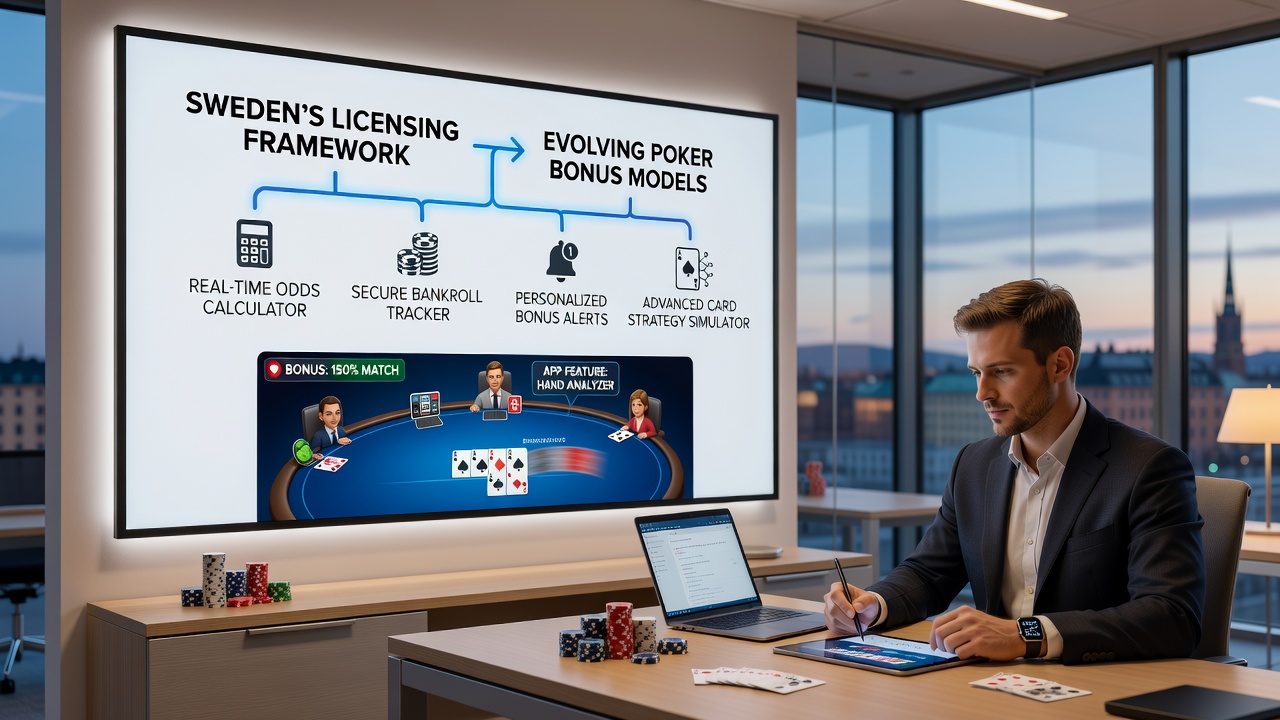
Sweden's Licensing Framework and Its Connection to Evolving Poker Bonus Models Plus App Features for Card Players
Sweden's licensing system operates under the oversight of the Swedish Gambling Authority and sets clear boundaries for operators that offer poker products to domestic players. The framework requires all licensed entities to maintain separate player funds, adhere to strict advertising rules, and report transaction data in real time. These obligations shape how bonus structures can be designed while remaining compliant with consumer protection standards that took effect after the 2019 re-regulation and continue to evolve.
Core Elements of the Licensing System
Operators must obtain a commercial license that covers online poker and related services before they can accept Swedish residents. The license imposes caps on welcome bonuses and requires that any promotional offer include transparent wagering requirements published in advance. Data from the authority shows that license renewals occur every five years adn that renewal decisions factor in an operator's historical compliance record, including how bonus promotions were delivered and withdrawn.
Because the framework demands full separation of player balances from company operating accounts, bonus models have shifted away from large upfront credits toward smaller, recurring rewards that tie directly to rake generated over multiple sessions. This adjustment reduces the risk of bonus abuse while still allowing sites to compete for player attention within the regulated market.
Bonus Model Adjustments Under Regulation
Early versions of licensed poker platforms offered deposit-match promotions that reached 200 percent, yet subsequent clarifications from regulators limited such offers and required that any free-play funds carry a maximum cash-out cap. Operators responded by introducing rakeback programs that return a percentage of fees paid during cash games and tournaments. These programs qualify as loyalty rewards rather than traditional bonuses and therefore fall outside the stricter deposit-bonus caps.
Research conducted by the European Gaming and Betting Association indicates that rakeback participation rates among Swedish poker players rose steadily between 2022 and 2025, with the largest increases recorded among users who maintained consistent weekly volume. Operators now present these rewards through tiered loyalty tables inside their apps, allowing players to track progress toward higher cash-back percentages without needing to claim separate bonus codes.
App Features Shaped by Compliance Requirements
Licensed poker applications incorporate mandatory responsible-gaming tools that must remain visible on every screen. Session timers, deposit limits, and loss-limit settings appear alongside multi-table selection panels, ensuring that players encounter these controls before they can open additional tables. Developers have integrated these features so that they do not interrupt gameplay flow yet still satisfy the authority's audit criteria.
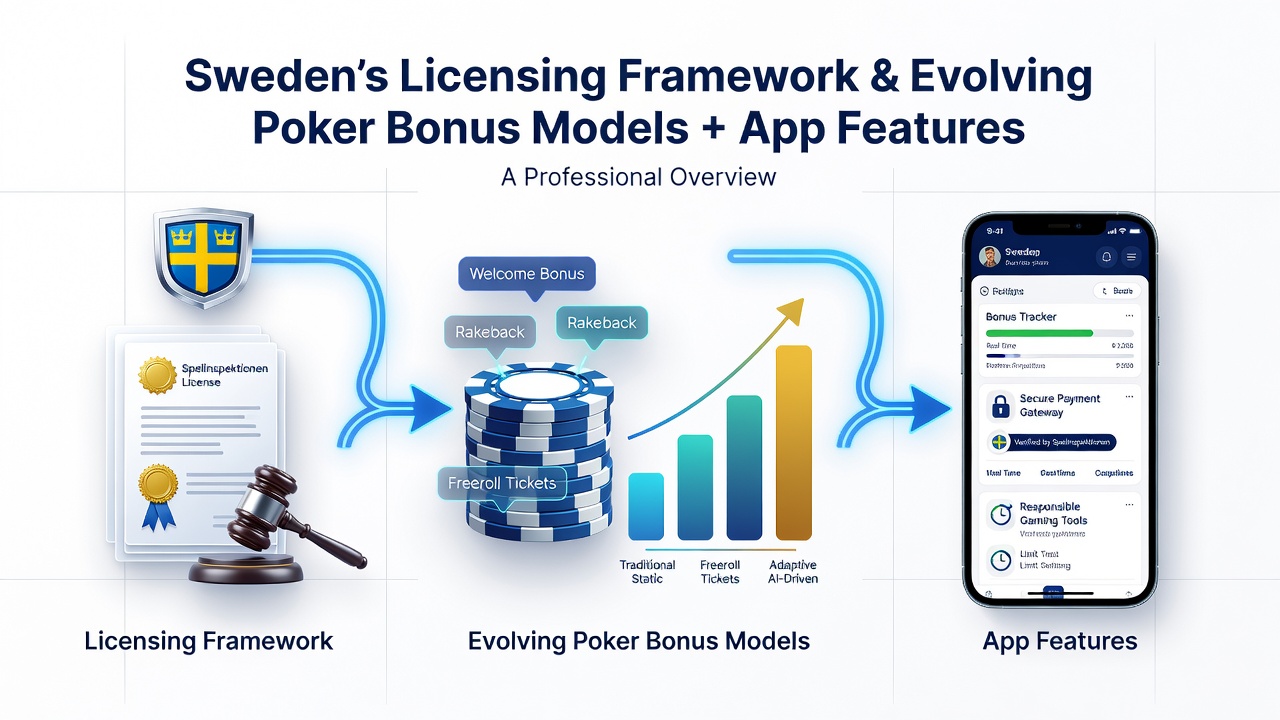
Push-notification systems have also adapted. Instead of promotional messages that highlight new bonus offers, notifications now focus on scheduled tournament start times or loyalty-level achievements. This change aligns with rules that restrict direct marketing to players who have not opted in and further ties feature development to measurable engagement metrics rather than bonus-driven acquisition.
Developments Expected in September 2026
Updated technical standards scheduled for September 2026 will require all licensed apps to support real-time reporting of bonus redemptions directly to the authority's monitoring portal. Developers are already testing API connections that transmit data on rakeback accruals and loyalty-tier upgrades without exposing personal player details. These connections aim to reduce manual reporting burdens while maintaining the transparency demanded by the existing licensing conditions.
Industry observers note that the same standards will introduce minimum encryption levels for in-app wallet functions, which in turn affects how bonus balances are displayed and transferred between cash-game and tournament sections. Several operators have begun pilot programs that let players convert a portion of accumulated rakeback into tournament tickets, a feature that remains under review until the new technical rules take effect.
Conclusion
Sweden's licensing framework continues to influence both the structure of poker bonuses and the design of mobile applications used by card players. Requirements for fund segregation, transparent promotions, and responsible-gaming integration have prompted operators to replace large deposit matches with ongoing rakeback systems and to embed compliance tools directly into app interfaces. As the September 2026 technical updates approach, further refinements to data reporting and encryption standards are expected to shape the next generation of features available within the regulated market.