Swedish Casino Oversight Fuels Fresh Approaches to Loyalty Rewards and App-Based Multi-Table Play for Dedicated Participants
Skriven av Ines Koch · 2026-09-12
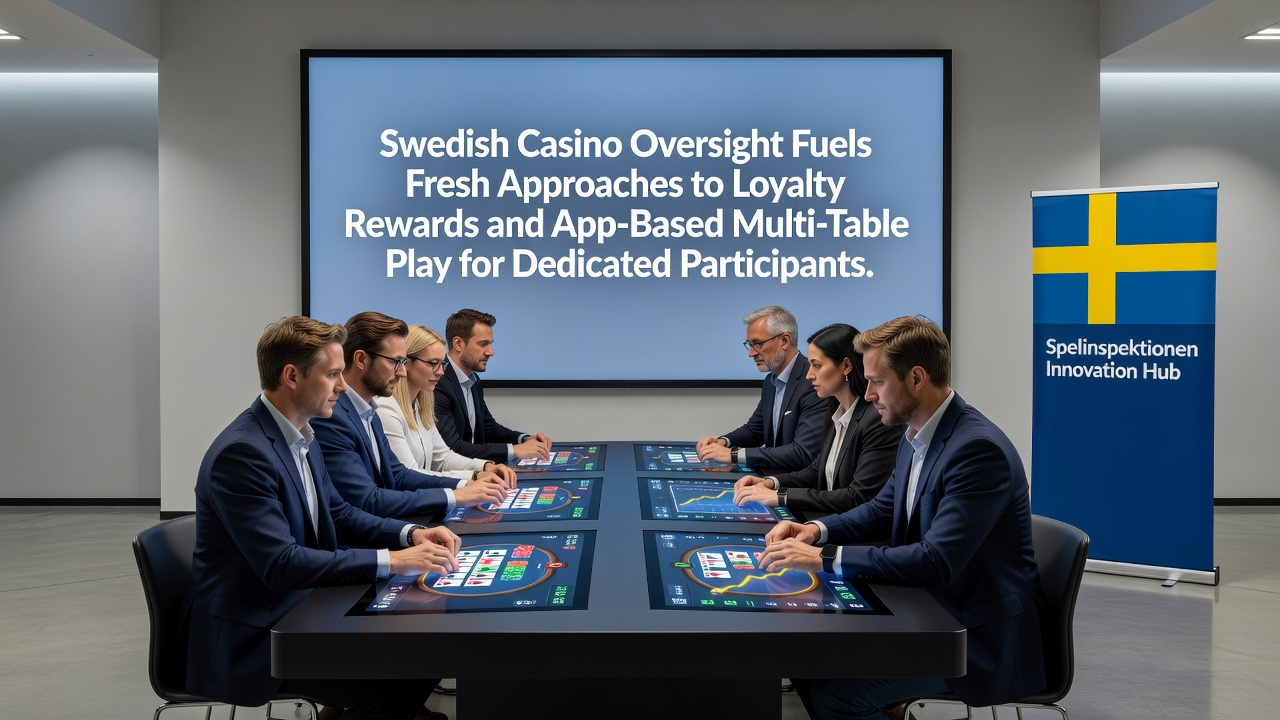
Swedish Casino Oversight Fuels Fresh Approaches to Loyalty Rewards and App-Based Multi-Table Play for Dedicated Participants
Swedish authorities have tightened casino licensing requirements in recent years, and this shift has prompted operators to redesign loyalty rewards while expanding app features that support multi-table participation for regular players. Data from Spelinspektionen shows that licensed platforms must now demonstrate transparent reward structures that comply with player protection standards before September 2026 updates take full effect.
Operators respond by linking loyalty tiers directly to verified play sessions rather than deposit volume alone, which aligns with oversight rules that emphasize responsible engagement. Research indicates these adjustments reduce the risk of excessive play while still providing tangible benefits such as cashback percentages and tournament entry credits that accumulate across multiple sessions.
Regulatory Drivers Behind Loyalty Program Changes
Spelinspektionen guidelines require clear disclosure of how points convert into rewards, and platforms have introduced tiered systems that track activity through verified accounts. This approach replaces older models that relied on volume-based bonuses, because regulators found those structures often obscured actual player costs. Observers note that dedicated participants now receive periodic statements detailing reward progress, which helps them plan participation without exceeding personal limits.
One study released by the European Institute for Gaming Research examined loyalty frameworks across Nordic markets and found that transparent point systems correlate with longer but more controlled session lengths. Swedish operators have adopted similar mechanics, including milestone bonuses that activate after a set number of hands or tournaments completed within a month.
App Features Supporting Multi-Table Participation
Mobile applications now incorporate tools that let experienced players manage several tables simultaneously while remaining within regulatory boundaries. Features include customizable table layouts, real-time session timers, and automated alerts that notify users when they approach time or spend thresholds set by the platform. These tools emerged because oversight bodies mandated that operators supply resources helping players maintain awareness during extended play periods.
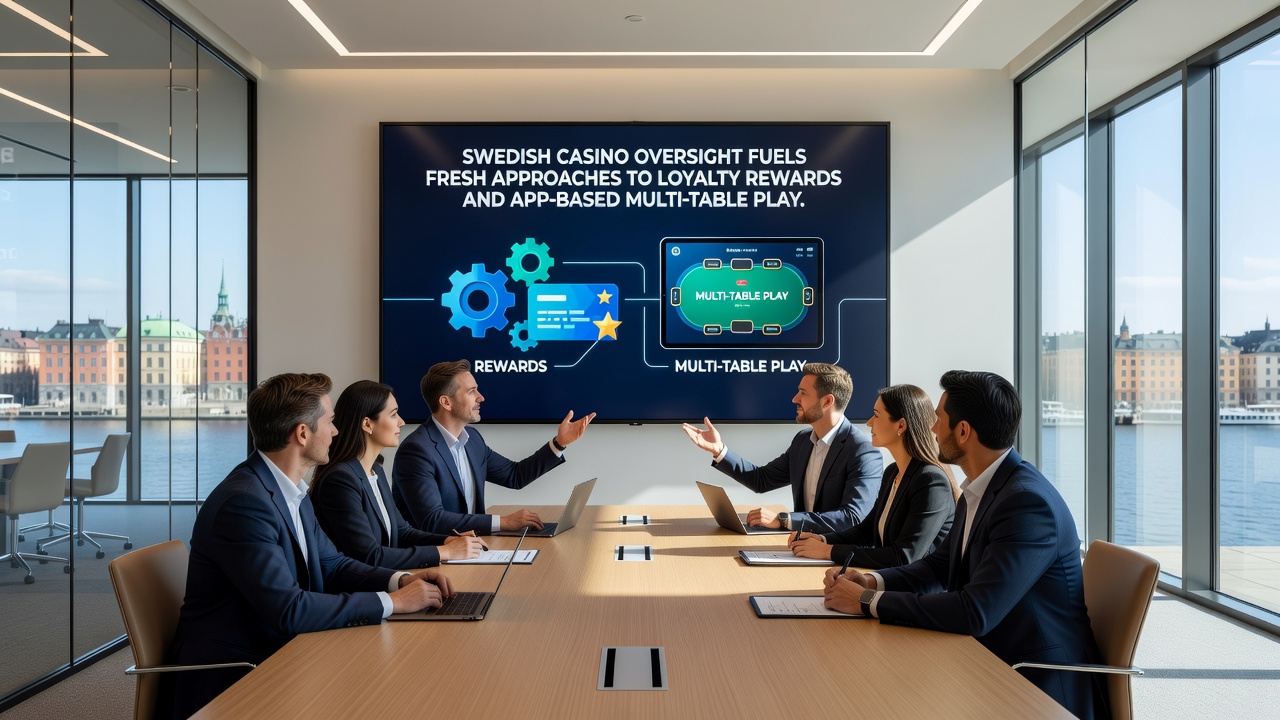
Developers integrated these functions after reviewing compliance reports that highlighted the need for better session management. Players who participate in multi-table formats can toggle between games without losing track of accumulated loyalty points, because the apps sync data across active tables in a single dashboard view. Figures from industry audits reveal that platforms offering these synchronized views see higher retention among users who average more than three tables per session.
Effects on Dedicated Participants and Platform Strategies
Dedicated participants benefit from loyalty structures that reward consistent activity across different game types rather than single-table volume. Operators have introduced hybrid reward pools that combine cashback with entry into private tournaments reserved for high-activity accounts, yet every reward remains subject to the same spending caps enforced by licensing conditions. This balance satisfies regulatory demands while giving serious players measurable progress toward larger incentives.
Platforms also adjusted multi-table interfaces to include optional breaks that pause all active tables at once, addressing concerns about continuous play. Data collected by independent testing labs shows these pause functions reduce average session duration by measurable margins without decreasing overall monthly participation rates among verified users.
Additional adjustments include region-specific filters that prevent players from joining tables during restricted hours, which several operators rolled out ahead of the September 2026 compliance deadline. These filters integrate with loyalty trackers so points continue to accrue even when play is paused for regulatory reasons.
Industry Data and Implementation Examples
Reports from the Nordic Gambling Association indicate that Swedish-licensed apps increased their multi-table capacity by an average of 40 percent between 2024 and 2025, largely to accommodate players who prefer simultaneous tables while staying compliant. Loyalty programs tied to these apps now cap maximum monthly rewards and require periodic verification of player identity, which aligns with broader European efforts to standardize consumer protections.
One case involved a mid-sized operator that introduced an app-based loyalty dashboard linking reward tiers to the number of verified hands played rather than total rake generated. This change followed direct feedback from Spelinspektionen auditors and resulted in clearer reporting that satisfied both regulators and long-term users who track their progress monthly.
Conclusion
Swedish casino oversight continues to shape how operators structure loyalty rewards and mobile multi-table features, with upcoming September 2026 requirements accelerating the adoption of transparent, player-controlled systems. Platforms that align their apps and reward mechanics with these standards report steady engagement from dedicated participants who value predictable benefits and session management tools. The combination of regulatory compliance and technical enhancements has produced measurable shifts in how regular players interact with licensed poker environments across Sweden.